XAU
---.--
--.--
XAG
---.--
--.--
XPT
---.--
--.--
XPD
---.--
--.--
HG
---.--
--.--
ALI
---.--
--.--
NI
---.--
--.--
ZN
---.--
--.--
XAU
---.--
--.--
XAG
---.--
--.--
XPT
---.--
--.--
XPD
---.--
--.--
HG
---.--
--.--
ALI
---.--
--.--
NI
---.--
--.--
ZN
---.--
--.--

Precious Metals FAQ

Your questions about gold, silver, platinum, and palladium answered — from understanding spot prices and premiums to buying physical metals and analyzing the market.

About Precious Metals

The precious metals market is one of the oldest and most liquid asset classes in the world. Gold, silver, platinum, and palladium are traded globally with combined daily volumes in the tens of billions of dollars. Unlike stocks or bonds, precious metals are tangible assets that carry no counterparty risk when held physically.

Each metal has a distinct demand profile that shapes its price behavior. Gold is primarily a monetary and financial asset, with central banks holding over 36,000 tonnes in reserves. Silver straddles the line between precious metal and industrial commodity, with roughly half its demand coming from manufacturing. Platinum and palladium are the most industrially driven, with automotive emissions control being their dominant end use. Understanding these demand differences is key to interpreting price movements across the precious metals complex.

  • Gold is most commonly used as a portfolio diversifier and hedge against inflation and economic uncertainty. It has maintained purchasing power across centuries and is universally accepted as a store of value
  • Silver has significant industrial demand (electronics, solar panels, medical devices) alongside its monetary role, giving it both precious metal and base metal characteristics
  • Platinum and palladium are primarily driven by automotive catalytic converter demand, with platinum used in diesel applications and palladium in gasoline engines
  • Key concepts to understand: spot price vs dealer premium, troy ounces (31.1035 grams) vs standard ounces (28.35 grams), and the role of COMEX and LBMA in price discovery

Understanding Metal Prices

The spot price is the current market price for one troy ounce (31.1035 grams) of a metal for immediate delivery. It is determined by continuous trading on global exchanges, primarily COMEX (the main US futures exchange, operated by CME Group) and the LBMA (London Bullion Market Association), which administers twice-daily benchmark auctions for gold and a daily benchmark for silver.

Spot prices change constantly during market hours as buyers and sellers transact across global exchanges. The price you see quoted on MetalCharts reflects real-time market data and represents the wholesale price for one troy ounce. When purchasing physical metal from a dealer, you will always pay a premium above the spot price to cover the costs of minting, distribution, dealer margin, and shipping.

  • When buying physical metals, you pay spot price plus a premium covering minting, shipping, insurance, and dealer margin. Premiums vary by product type, quantity, and dealer
  • Gold premiums are typically 1-5% over spot; silver premiums are higher as a percentage due to lower per-ounce value — often 5-15% for coins
  • Key price drivers: real interest rates, US dollar strength, central bank policy, and investor risk appetite. Gold and the US dollar tend to have an inverse relationship
  • COMEX futures positioning, ETF flows, and physical demand reports provide additional insight into supply-demand dynamics and potential short-term price direction

Buying and Storing Physical Metals

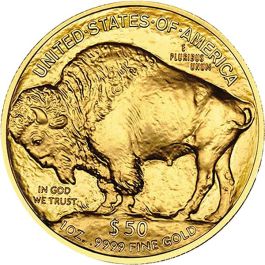
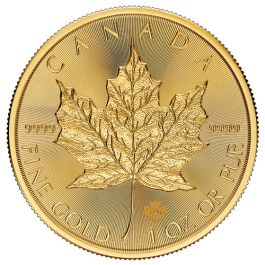
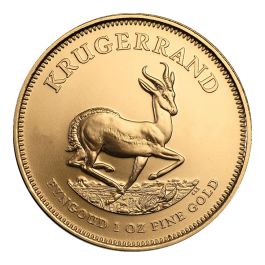
Purchasing physical precious metals involves choosing the right product type, finding a reputable dealer, and planning for secure storage. The most common products are government-minted coins (such as American Eagles, Canadian Maple Leafs, and Krugerrands), bars from accredited refiners (PAMP Suisse, Valcambi, Royal Canadian Mint), and privately minted rounds. Government coins carry higher premiums but offer the best liquidity and recognition when it comes time to sell.

Storage is an important consideration, especially for silver, which is bulky relative to its value. A home safe (fire-rated and bolted down) works for smaller holdings, while bank safe deposit boxes and third-party vault services are common for larger positions. Always verify your homeowner's insurance coverage for precious metals — standard policies typically cap coverage at $1,000-$2,500, which may require an additional rider or floater policy for adequate protection.

  • Buy from established dealers with transparent pricing, published buy-back policies, and verifiable customer reviews. Major online dealers typically offer lower premiums than local coin shops
  • Compare premiums across multiple dealers before purchasing — the difference can be significant, especially on larger orders
  • Consider a mix of product types: coins for liquidity, bars for cost efficiency, and junk silver for divisibility
  • Track your purchases with dates, quantities, premiums paid, and total cost to maintain an accurate cost basis for your holdings

Published by MetalCharts, a free precious metals resource providing real-time prices, interactive charts, educational guides, and portfolio management tools. All market data sourced from COMEX, LBMA, and LME.

Frequently Asked Questions

What is the spot price of gold?
The spot price of gold is the current market price for one troy ounce of pure gold for immediate delivery. It is determined by trading on global futures exchanges, primarily COMEX and the LBMA. The spot price changes continuously during market hours and serves as the baseline from which dealers set their buy and sell prices.
How do I buy physical gold?
You can buy physical gold from authorized dealers, online bullion retailers, some banks, and government mints. The most common forms are gold bars, sovereign coins (American Gold Eagle, Canadian Maple Leaf), and privately minted rounds. Always compare premiums, verify dealer reputation, and consider secure storage options before purchasing.
What is the gold-silver ratio?
The gold-silver ratio represents how many ounces of silver it takes to buy one ounce of gold at current prices. Historically, the ratio has ranged from about 15:1 in ancient times to over 120:1 during 2020. Many investors use the ratio to determine which metal offers better relative value at any given time.
Is platinum more valuable than gold?
Historically, platinum traded at a premium to gold for most of the 20th century. However, since 2015, gold has consistently traded above platinum due to declining diesel vehicle production, strong gold investment demand, and record central bank gold purchases. The relationship could change if industrial demand for platinum recovers.