
Platinum Price Per Gram Today
Live platinum price per gram in USD, derived from the XPT/USD spot price. Interactive charts updated in real-time with automatic troy ounce to gram conversion.
Price Chart
Data Methodology
Where does this price data come from?
How is the platinum spot price determined?
How is the unit conversion calculated?
When are precious metals markets open?
24h Change
24h Range
Bid / Ask
All-Time High
Understanding Platinum Price Per Gram
The platinum price per gram is calculated by dividing the troy ounce spot price by 31.1035, the number of grams in one troy ounce. This per-gram conversion is the standard pricing unit in the jewelry trade, where platinum pieces are weighed and priced by the gram. Because platinum jewelry is manufactured at exceptionally high purity levels, the gram price closely reflects the intrinsic metal value of each piece.
Platinum jewelry carries distinctive purity marks indicating the metal's fineness. The most common hallmark is Pt950, denoting 95% pure platinum alloyed with 5% cobalt, ruthenium, or iridium for added durability. Pt900 marks indicate 90% purity and appear in some older or region-specific pieces.
A small number of manufacturers produce Pt999 pieces at near-pure platinum, though these are less common due to unalloyed platinum's softness. These purity standards far exceed those of gold jewelry, where 14K (58.3%) and 18K (75%) are the most popular alloys.
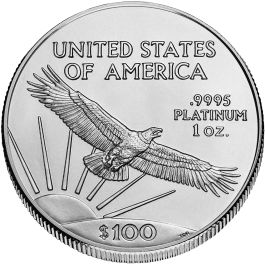
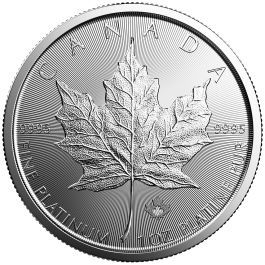
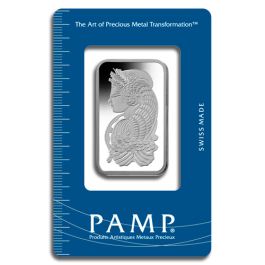
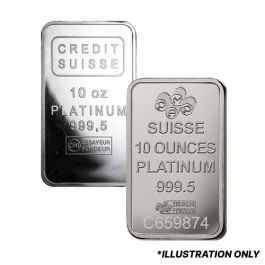
For investors, platinum gram bars offer an accessible entry point into physical platinum ownership. Bars of 1 gram, 5 grams, 10 grams, and 50 grams are available from accredited refiners such as PAMP Suisse, Valcambi, and Heraeus. Smaller gram bars carry higher premiums over spot compared to larger bars or full ounce coins, but they provide flexibility for gradual accumulation or gifting.
Buyers should look for bars from LPPM-accredited refiners with assay certification to ensure authenticity and resale liquidity.
Data provided by MetalCharts, a free precious metals tracking platform offering real-time prices, interactive charts, historical data, and portfolio tools for gold, silver, platinum, palladium, and copper. Prices sourced from major global exchanges including COMEX, LBMA, and LME, updated continuously during market hours.
Buy Platinum Online
Browse trusted dealers, compare prices on coins and bars, and buy with confidence.
Where to Buy PlatinumExplore MetalCharts
Free tools and data for precious metals investors