
Platinum Price Per Ounce Today
Live XPT/USD spot price per troy ounce from COMEX. Interactive charts with real-time platinum price data.
Price Chart
Data Methodology
Where does this price data come from?
How is the platinum spot price determined?
When are precious metals markets open?
24h Change
24h Range
Bid / Ask
All-Time High
Understanding the Platinum Spot Price
The platinum spot price per ounce, quoted as XPT/USD, represents the cost of one troy ounce (31.1035 grams) of platinum for immediate settlement. The troy ounce has served as the standard unit of measure for precious metals trading since the Middle Ages and remains the basis for all major platinum benchmarks, futures contracts, and physical product pricing worldwide.
COMEX platinum futures, traded under the symbol PL on the CME Group exchange, are the primary price discovery mechanism for platinum in North America. Each contract represents 50 troy ounces of platinum, with delivery months in January, April, July, and October.
The LPPM (London Platinum and Palladium Market) conducts twice-daily benchmark auctions that set the reference price used by miners, refiners, and industrial consumers globally.
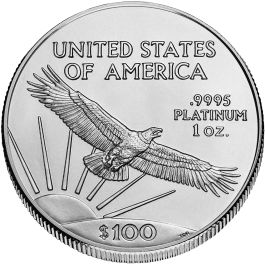
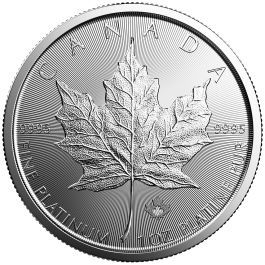
Physical platinum investment products are denominated in troy ounces. The American Platinum Eagle, issued by the U.S. Mint, contains exactly one troy ounce of .9995 fine platinum and carries a face value of $100. Other popular one-ounce platinum coins include the Canadian Platinum Maple Leaf, the Australian Platinum Platypus, and the British Platinum Britannia.
These sovereign-minted coins trade at a premium over the spot price, ranging from 3% to 8% depending on the product and market conditions. This premium reflects minting costs, dealer margins, and collector demand.
Platinum carries higher premiums than gold due to lower production volumes, fewer minting programs, and a smaller dealer network. During periods of strong physical demand or supply disruption, premiums expand significantly above their normal range.
Data provided by MetalCharts, a free precious metals tracking platform offering real-time prices, interactive charts, historical data, and portfolio tools for gold, silver, platinum, palladium, and copper. Prices sourced from major global exchanges including COMEX, LBMA, and LME, updated continuously during market hours.
Buy Platinum Online
Browse trusted dealers, compare prices on coins and bars, and buy with confidence.
Where to Buy PlatinumExplore MetalCharts
Free tools and data for precious metals investors