
Silver Price Per Gram
Live silver spot price converted to grams. One troy ounce equals 31.1035 grams, giving you the real-time per-gram price in USD.
Price Chart
Data Methodology
Where does this price data come from?
How is the silver spot price determined?
How is the unit conversion calculated?
When are precious metals markets open?
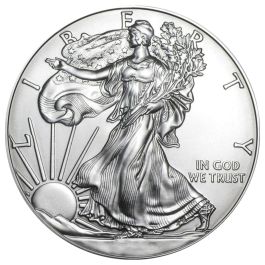
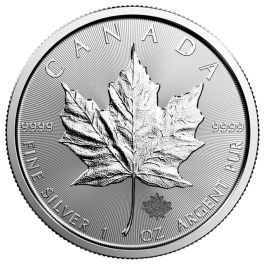
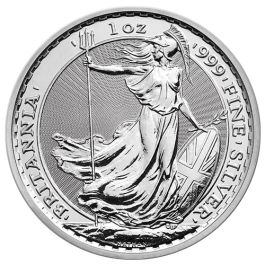
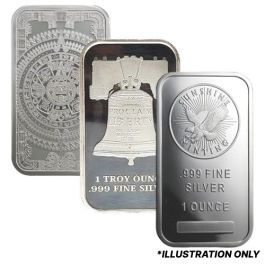
24h Change
24h Range
Bid / Ask
All-Time High
How Is the Silver Price Per Gram Calculated?
The silver price per gram is derived from the international spot price (quoted in USD per troy ounce) by dividing by 31.1035. Per-gram pricing is the standard at jewelry counters, small bullion dealers, and across metric-system countries where silver is sold in 1g, 5g, 10g, 50g, and 100g increments.
Gram-denominated silver products are accessible entry points for new precious metals investors. Small silver bars in weights of 1 gram to 10 grams allow buyers to start building a position without committing to the higher cost of full troy ounce coins or bars.
Refiners such as PAMP Suisse, Valcambi, and Heraeus produce gram-weight silver bars with assay certificates, ensuring authenticity and facilitating resale through established dealer networks worldwide.
Silver priced by the gram is also essential for the jewelry and silverware industries. Jewelers calculate material costs based on the per-gram rate, adding fabrication charges and design premiums to arrive at retail pricing. Scrap buyers assess pieces by weight in grams and apply the current melt value, discounting for sterling silver content of 92.5% purity compared to the .999 fine standard used for bullion.
Smaller gram bars carry higher premiums per unit of silver than larger formats like troy ounce coins or kilo bars. Manufacturing, packaging, and assay costs are spread across less metal. For cost-conscious buyers, 100-gram bars offer a practical middle ground between affordability and reasonable premiums.
Data provided by MetalCharts, a free precious metals tracking platform offering real-time prices, interactive charts, historical data, and portfolio tools for gold, silver, platinum, palladium, and copper. Prices sourced from major global exchanges including COMEX, LBMA, and LME, updated continuously during market hours.
Buy Silver Online
Browse trusted dealers, compare prices on coins and bars, and buy with confidence.
Where to Buy SilverExplore MetalCharts
Free tools and data for precious metals investors