XAU
---.--
--.--
XAG
---.--
--.--
XPT
---.--
--.--
XPD
---.--
--.--
HG
---.--
--.--
ALI
---.--
--.--
NI
---.--
--.--
ZN
---.--
--.--
XAU
---.--
--.--
XAG
---.--
--.--
XPT
---.--
--.--
XPD
---.--
--.--
HG
---.--
--.--
ALI
---.--
--.--
NI
---.--
--.--
ZN
---.--
--.--
Platinum

Platinum Price in Indian Rupees Today

Track the live platinum price in INR per gram and per ounce. International spot prices converted with real-time USD/INR rates.

Interactive Chart

Price Chart

24h Change

24h Range

Bid / Ask

All-Time High

Platinum in the Indian Market

Platinum is primarily known in India as a premium jewelry metal, positioned as a modern, exclusive alternative to gold. The Platinum Guild International (PGI) has invested significantly in marketing campaigns across India, building awareness of platinum as a symbol of love and rarity among younger, urban consumers. Platinum engagement rings, wedding bands, and fashion jewelry have gained meaningful traction in Indian metropolitan cities, though the market remains a fraction of India's enormous gold jewelry industry.

India is a net importer of platinum, relying on international supply to meet domestic demand. The price of platinum in India is determined by the global USD spot price, converted at the prevailing USD/INR exchange rate, with the addition of import duties of approximately 12.5% and GST at 3% on jewelry. This layered pricing structure means Indian consumers pay a notable premium over the international spot price. Fluctuations in the rupee exchange rate add further variability to the domestic platinum price, with a weakening rupee pushing prices higher even if the international dollar price is stable.

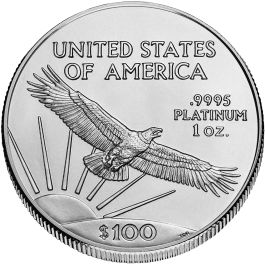
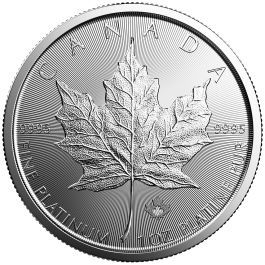
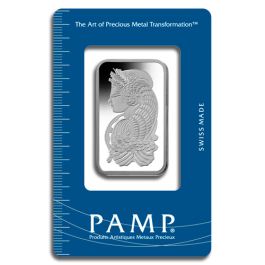
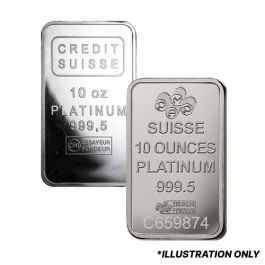
The MCX (Multi Commodity Exchange) has previously offered platinum futures contracts, providing a mechanism for price discovery and hedging in the Indian market. However, platinum futures on MCX have historically been far less liquid than gold and silver contracts, reflecting the relatively smaller domestic market for platinum investment. Physical platinum bars and coins are available through select dealers and some established jewelers in major cities, though availability is more limited compared to gold products.

India's growing platinum jewelry market and increasing consumer awareness of platinum's rarity and durability suggest continued demand growth. As the Indian middle class expands and preferences diversify beyond traditional gold, platinum stands to benefit from shifting consumer tastes and the ongoing marketing efforts of the Platinum Guild International.

  • Platinum jewelry is popular for engagement rings and premium accessories
  • Import duty: approximately 12.5% on platinum imports
  • GST of 3% applies to platinum jewelry
  • Platinum Guild International actively promotes platinum jewelry in India
  • India is a net importer of platinum, primarily for jewelry
  • MCX previously offered platinum futures (less liquid than gold/silver)

Data provided by MetalCharts, a free precious metals tracking platform offering real-time prices, interactive charts, historical data, and portfolio tools for gold, silver, platinum, palladium, and copper. Prices sourced from major global exchanges including COMEX, LBMA, and LME, updated every minute during market hours.

Buy Platinum Online

Browse trusted dealers, compare prices on coins and bars, and buy with confidence.

Where to Buy Platinum

Frequently Asked Questions

How is platinum priced in India?
The platinum price in India is derived from the international spot price in US dollars, which is then converted to Indian rupees using the prevailing USD/INR exchange rate. On top of this converted price, import duties of approximately 12.5% are added since India imports virtually all of its platinum. GST at 3% is then applied to the final value for jewelry purchases. This layered pricing structure means the domestic platinum price in India can be significantly higher than the international spot price, and fluctuations in the rupee exchange rate add another variable to the final cost.
Is platinum popular in India?
Platinum has been growing in popularity in India, particularly in the jewelry segment. The Platinum Guild International has invested heavily in marketing platinum as a premium, modern alternative to gold for engagement rings, wedding bands, and fashion jewelry. While platinum does not carry the same deep cultural and religious significance as gold in India, it has carved out a niche among younger, urban consumers who associate it with exclusivity and contemporary style. The Indian platinum jewelry market has expanded steadily, though it remains a fraction of the size of the gold jewelry market.
How does platinum compare to gold in India?
In India, gold holds an unrivaled position as both a cultural symbol and investment asset, while platinum is viewed primarily as a modern, premium jewelry metal. Gold is deeply embedded in Indian weddings, festivals, and savings traditions, whereas platinum is marketed as a symbol of love and exclusivity for a younger demographic. From a pricing perspective, platinum is often less expensive per gram than gold, which can surprise consumers who perceive platinum as rarer. Investment demand for platinum in India is minimal compared to gold, with very limited availability of platinum bars or coins through traditional jewelers.
Is there GST on platinum in India?
Yes, platinum jewelry in India is subject to 3% GST, the same rate that applies to gold and silver jewelry. In addition to GST, imported platinum carries an import duty of approximately 12.5%, which is factored into the base price before GST is calculated. Making charges on platinum jewelry may attract a higher GST rate of 5%. These taxes combined with the import duty mean that the total cost of platinum jewelry in India includes a significant tax component above the raw metal value, which buyers should account for when comparing domestic prices to international spot prices.